How to get rid of black mould (and stop it coming back)
Updated June 2026
To get rid of black mould, clean it off with a mould remover or a diluted bleach solution, dry the area, then fix the thing causing it: too much moisture and not enough ventilation. The cleaning is the easy part. If you skip the cause, the mould comes straight back, which is why most people end up wiping the same patch every winter.
Black mould is almost always a condensation problem, not rising or penetrating damp. That’s good news, because the fix is usually ventilation and heating rather than building work.
Step 1: remove the mould safely
Before you start, open a window and wear gloves and a mask, because disturbing mould releases spores.
- Mix a mould-removal spray, or dilute bleach (roughly one part bleach to four parts water).
- Wipe the mould off with a cloth rather than dry-brushing it, which just spreads spores.
- Dry the area thoroughly afterwards.
- Bin the cloths rather than reusing them.
For mould on soft furnishings, curtains or silicone sealant that won’t come clean, replacement is often easier than rescue.
Step 2: fix the cause (the part that actually matters)
Black mould grows where warm, moist air meets a cold surface and condenses. To stop it, you need to cut the moisture and improve airflow:
- Ventilate moisture at the source. Use extractor fans in the kitchen and bathroom, and actually leave them running after cooking or showering.
- Don’t dry washing on radiators indoors without ventilation. A single load puts a surprising amount of water into the air.
- Keep some heat on. Cold walls are where condensation forms. Steady, low background heat beats short, intense bursts.
- Give air room to move. Pull furniture a few centimetres off external walls so air can circulate behind it.
- Consider better ventilation if the problem is widespread, from upgraded extractors to a whole-house positive input system.
Modern double glazing and draught-proofing often make condensation worse in older homes, because the moisture that used to escape is now trapped inside.
When it’s more than condensation
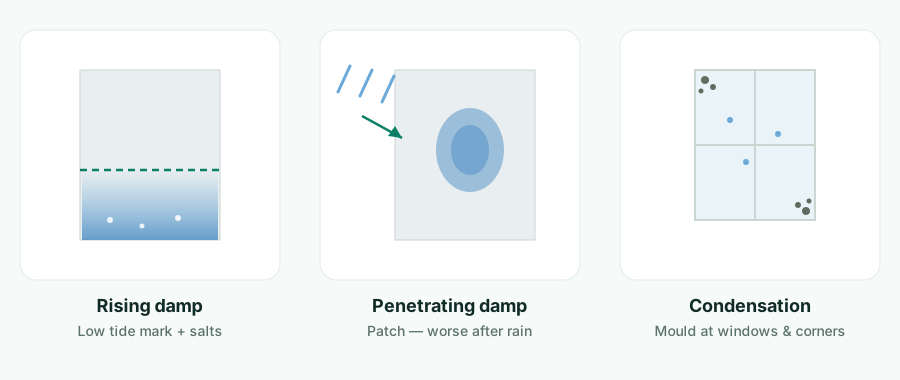
Occasionally mould is a symptom of a genuine damp fault, such as penetrating damp from a leak, or rising damp low on a wall. If the mould is on one specific patch that worsens after rain, or sits in a tide mark near the floor rather than in corners and around windows, it’s worth a proper look. Our condensation and mould page explains how we find the cause.
Is black mould dangerous?
It can affect breathing, allergies and asthma, especially for children and anyone with a respiratory condition, so it’s worth dealing with rather than living with. Removing it without fixing the cause means it returns, so the lasting fix is controlling the moisture.
Frequently asked questions
Why does black mould keep coming back?
Because the moisture source is still there. Cleaning treats the symptom; only better ventilation and heating treat the cause.
Does bleach kill black mould?
It removes mould from hard, non-porous surfaces. On porous surfaces like plaster it may not reach the roots, and the mould returns unless the condensation is fixed.
Is black mould rising damp?
Usually not. Rising damp shows as a low tide mark with salts; black mould around windows and in corners is condensation. A survey confirms which you have.
If black mould keeps returning in your Brighton or Hove home, book a free survey and we’ll find what’s really driving it.